01 / PREPARE
Start from a trusted source
Use the official Trezor website to find setup instructions and current software. Check the URL carefully before downloading anything.
A practical starting point for understanding your Trezor device, protecting your recovery backup, and confirming every transaction with confidence.
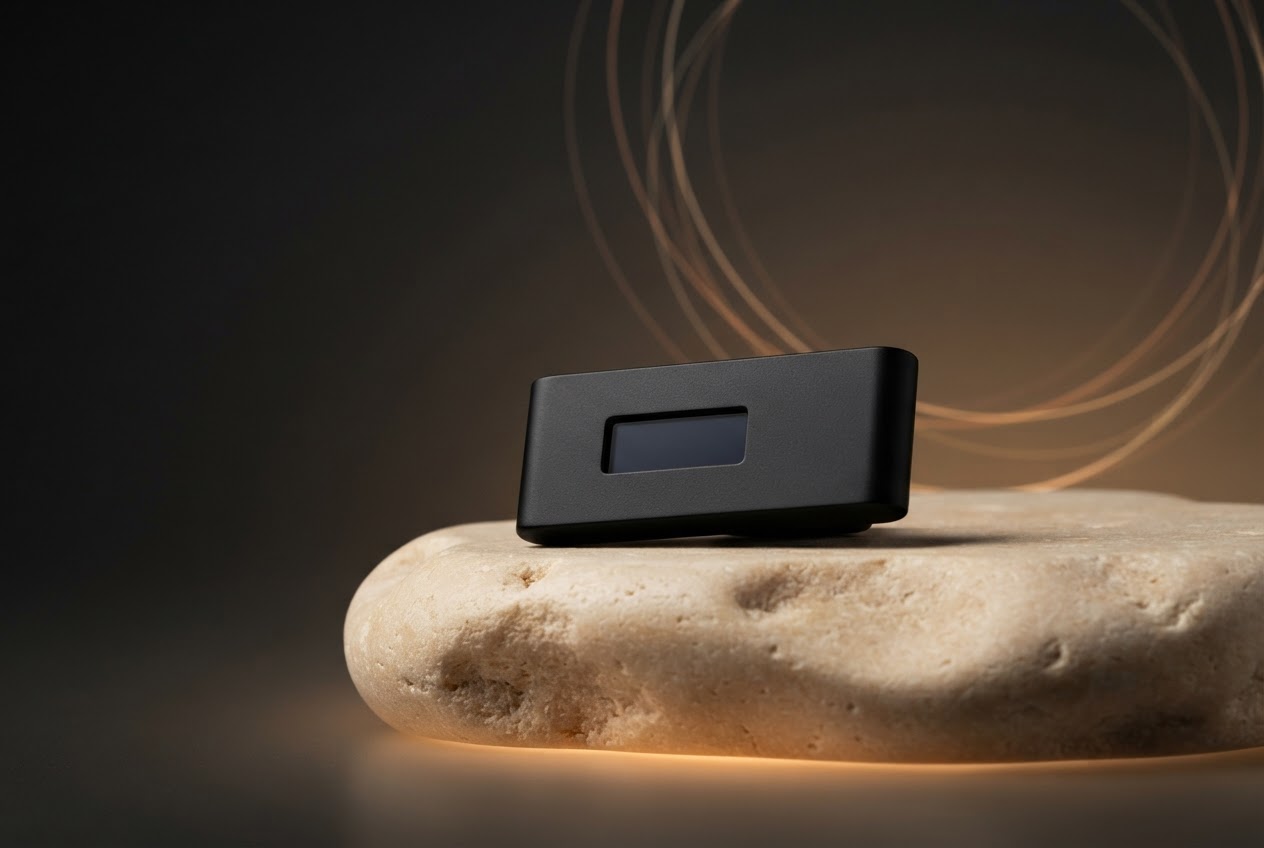
Setup is more than connecting a device. It’s the moment you establish the habits that keep your digital assets under your control.
Use the official Trezor website to find setup instructions and current software. Check the URL carefully before downloading anything.
Write the words down offline, in order. Store them somewhere private and secure. Anyone who sees them may control your funds.
Read transaction details on the hardware wallet display—not only on your computer—before physically approving a transfer.
Never type your seed into a login page, support chat, or online form. Legitimate support will not ask for it.
Verify the address and amount on the wallet’s own screen. If the details differ, reject the transaction and investigate.
Urgency, unexpected downloads, and unsolicited recovery requests are warning signs. Navigate to official resources yourself.
There is no universal password-style login to your hardware wallet. Learn what happens when you connect your device—and how to keep the process safe.
Explore official help articles ↗When people search for “Trezor Login,” they are often looking for a way to access their cryptocurrency wallet. A Trezor device works differently from a conventional account: it is a hardware wallet that keeps private keys away from internet-connected devices. You connect the device to compatible wallet software, then use the device itself to authorize sensitive actions.
Begin by visiting Trezor’s official website directly and following its current setup instructions. Avoid links in unsolicited messages, sponsored search results you cannot verify, or unfamiliar downloads. During setup, your device guides you through creating a wallet and making a recovery backup. Write the recovery words down offline, in their exact order, and store them somewhere private. Never photograph them, upload them to cloud storage, or enter them into a website or support conversation.
When you want to view a balance or send cryptocurrency, connect your wallet through trusted software. Check the recipient address and amount on the device’s own screen before approving. This independent confirmation helps catch tampering on a computer. Keep device software current using official instructions, and take time to learn privacy and portfolio features before relying on them. Good self-custody is a routine: verify sources, protect backups, review transactions, and never rush. If anything seems unusual, stop and consult official Trezor support resources.
This page is an independent educational guide and is not affiliated with or endorsed by Trezor. For product setup, software, or support, use Trezor’s official channels.